

From: [email protected]Date: Sun, 3 Jul 2005 13:38:36 -0700 (PDT)
Dear Nermine,
'Pastoral Nomadism' simply means 'ro3ah badw' in Arabic. But that won't help a lot if you wish to use the word as a cultured person in communication with others specially if you like to travel around the world, so here's a bit more.
First let's explain the word "Pasture" (aka grazing land [al-mara3i] =a field covered in Europe with grass or 'herbage' (vegetation aka pasturage) and suitable for grazing by livestock [7ayawanat elmazra3a] )
The word 'pastoral' in European languages draws a beautiful green landscape to the European eye. The word itself reminds people from European cities immediately with nice picnics away from the eyes of others. They like to see it in the much loved 'warm' brownish colors of summer. You might like to fill your eyes with the following European paintings from European Pastoral landscape when you listen to the 'Pastoralist' by Beethoven. :)
The word "Nomadism" is a type of a 'lifestyle', when a community (extended family) keeps moving from one location to another. Most (but not all) of Nomads are living as Pastoralists (ro3ah) who have to live like nomad because after one or more season their cattle (goats) would have eaten all the vegetation of the place and need to find new fresh greener grazing land. non-Pastoral Nomads are not important here since they live more in cities and are not related to our subject here.
The art of 'animal husbandry' (= the breeding and raising livestock) is their main skill. Don't think that it's easy to keep 50 goats alive or can take them out for the grazing land and be back with every single one of them. Also, to take care of their health and their newly borne and how to take milk and meat from them. This is the main skill of Pastoral Nomads.
In our middle-east, Pastoral Nomadism is very ancient and mentioned in ancient writings. It has always been looked down at by Great Civilisations here. But even at the ancient times, Pastoralist nomads are looked at as very mysterious and tough people who can do amazing things with their knowledge of the terrain, so in ways adventurers and military men did admire them and even have romanticized stories with many myths about them.
Our middle-eastern Pastoral Nomads are not only Arabic Bedouins. The area has many others, like Irani Pastoral Nomads, Beja, Berber, Turkish, etc.
Now here's something for your eyes to feast on:
This photos here are not enough for an Arab to evaluate the grazing land. Because the vegetation must is small they have to evaluate a very large area as one entity.
Irani Pastoral Nomads:
http://www.nomadplace.com/afshar/
Turkish Pastoral Nomads (y?r?ks) who breed also large Shepard dogs that people are not advised to come close to (they can beat a wolf!):
http://www.allaboutturkey.com/nomad.htm
here's more about them:
http://www.nomadplace.com/yoruk/Musa-Article-Yoruks.htm
and here too (the lady's folkloric dress is trousers):
http://www.nomadplace.com/yoruk/index.htm
These of course are not all tribes of Pastoralist Nomads of the middle-east or the world. But it gives you an idea now what sort of people, languages and how their landscape might look like when youtalk about them to others or read a book that mentions the word.
Any comments/corrections/additions??? Do you know of any other photos for our middle-eastern Nomads?
So what do you wish to know else?
Salaam,
Mohamed Mabrouk
--- "nerminesaid" [email protected] wrote to SaharaSafaris:
Hi Mabrouk
i personnaly, i don't know what is meant by "pastoral nomadism". so
can u explain it to me in a simple way :)this will be great
thank you
nermine
I might sound like a crazy dreamer but.. only crazy dreamers can come up with ideas like the Egyptian pyramids!
-------
---------------------------------
Do you Yahoo!?
Read only the mail you want - Yahoo! Mail SpamGuard.
First let's explain the word "Pasture" (aka grazing land [al-mara3i] =a field covered in Europe with grass or 'herbage' (vegetation aka pasturage) and suitable for grazing by livestock [7ayawanat elmazra3a] )
The word 'pastoral' in European languages draws a beautiful green landscape to the European eye. The word itself reminds people from European cities immediately with nice picnics away from the eyes of others. They like to see it in the much loved 'warm' brownish colors of summer. You might like to fill your eyes with the following European paintings from European Pastoral landscape when you listen to the 'Pastoralist' by Beethoven. :)


The word "Nomadism" is a type of a 'lifestyle', when a community (extended family) keeps moving from one location to another. Most (but not all) of Nomads are living as Pastoralists (ro3ah) who have to live like nomad because after one or more season their cattle (goats) would have eaten all the vegetation of the place and need to find new fresh greener grazing land. non-Pastoral Nomads are not important here since they live more in cities and are not related to our subject here.
The art of 'animal husbandry' (= the breeding and raising livestock) is their main skill. Don't think that it's easy to keep 50 goats alive or can take them out for the grazing land and be back with every single one of them. Also, to take care of their health and their newly borne and how to take milk and meat from them. This is the main skill of Pastoral Nomads.
In our middle-east, Pastoral Nomadism is very ancient and mentioned in ancient writings. It has always been looked down at by Great Civilisations here. But even at the ancient times, Pastoralist nomads are looked at as very mysterious and tough people who can do amazing things with their knowledge of the terrain, so in ways adventurers and military men did admire them and even have romanticized stories with many myths about them.
Our middle-eastern Pastoral Nomads are not only Arabic Bedouins. The area has many others, like Irani Pastoral Nomads, Beja, Berber, Turkish, etc.
Now here's something for your eyes to feast on:
This photos here are not enough for an Arab to evaluate the grazing land. Because the vegetation must is small they have to evaluate a very large area as one entity.

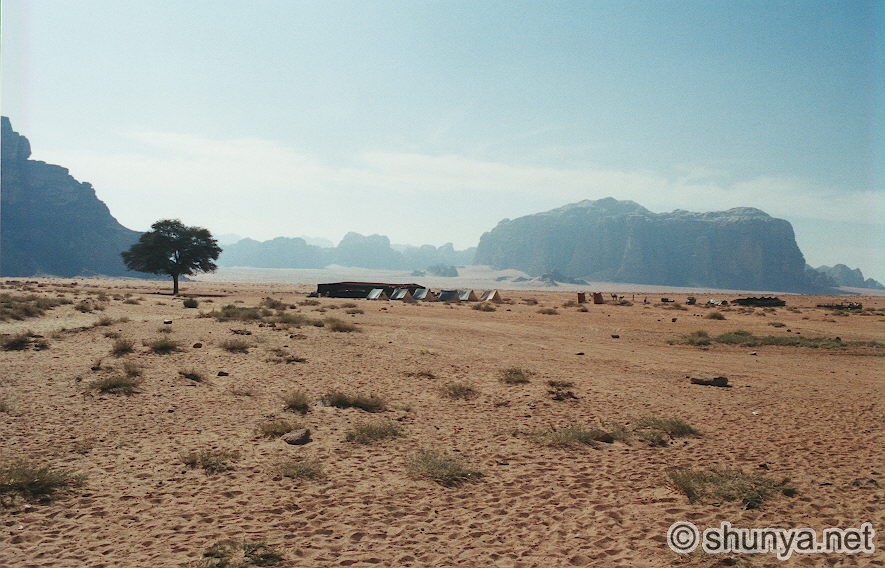
Irani Pastoral Nomads:
http://www.nomadplace.com/afshar/

Turkish Pastoral Nomads (y?r?ks) who breed also large Shepard dogs that people are not advised to come close to (they can beat a wolf!):
http://www.allaboutturkey.com/nomad.htm


here's more about them:
http://www.nomadplace.com/yoruk/Musa-Article-Yoruks.htm


and here too (the lady's folkloric dress is trousers):
http://www.nomadplace.com/yoruk/index.htm

These of course are not all tribes of Pastoralist Nomads of the middle-east or the world. But it gives you an idea now what sort of people, languages and how their landscape might look like when youtalk about them to others or read a book that mentions the word.
Any comments/corrections/additions??? Do you know of any other photos for our middle-eastern Nomads?
So what do you wish to know else?
Salaam,
Mohamed Mabrouk
i personnaly, i don't know what is meant by "pastoral nomadism". so
can u explain it to me in a simple way :)this will be great
thank you
nermine
I might sound like a crazy dreamer but.. only crazy dreamers can come up with ideas like the Egyptian pyramids!
-------
Do you Yahoo!?
Read only the mail you want - Yahoo! Mail SpamGuard.
Re: [SaharaSafaris] what the heck is this??? :)
From: [email protected]Date: Mon, 4 Jul 2005 04:04:36 -0700 (PDT) wrote:
Dear Mohamed
thank you very much for the explanation
so basicly we are talking about what i have seen in Domiatte and met.i met the arab nomads "pastoral nomads"(isn't it the scientific term then?) of this area they breed sheep that eat clover and they move from one area to another. i have photos for them.
as for their pictures i have some will upload them and send them soon.
Nermine
Mohamed Mabrouk
Dear Nermine,
'Pastoral Nomadism' simply means 'ro3ah badw' in Arabic. But that won't help a lot if you wish to use the word as a cultured person in communication with others specially if you like to travel around the world, so here's a bit more.
First let's explain the word "Pasture" (aka grazing land [al-mara3i] =a field covered in Europe with grass or 'herbage' (vegetation aka pasturage) and suitable for grazing by livestock [7ayawanat elmazra3a] )
The word 'pastoral' in European languages draws a beautiful green landscape to the European eye. The word itself reminds people from European cities immediately with nice picnics away from the eyes of others. They like to see it in the much loved 'warm' brownish colors of summer. You might like to fill your eyes with the following European paintings from European Pastoral landscape when you listen to the 'Pastoralist' by Beethoven. :)
The word "Nomadism" is a type of a 'lifestyle', when a community (extended family) keeps moving from one location to another. Most (but not all) of Nomads are living as Pastoralists (ro3ah) who have to live like nomad because after one or more season their cattle (goats) would have eaten all the vegetation of the place and need to find new fresh greener grazing land. non-Pastoral Nomads are not important here since they live more in cities and are not related to our subject here.
The art of 'animal husbandry' (= the breeding and raising livestock) is their main skill. Don't think that it's easy to keep 50 goats alive or can take them out for the grazing land and be back with every single one of them. Also, to take care of their health and their newly borne and how to take milk and meat from them. This is the main skill of Pastoral Nomads.
In our middle-east, Pastoral Nomadism is very ancient and mentioned in ancient writings. It has always been looked down at by Great Civilisations here. But even at the ancient times, Pastoralist nomads are looked at as very mysterious and tough people who can do amazing things with their knowledge of the terrain, so in ways adventurers and military men did admire them and even have romanticized stories with many myths about them.
Our middle-eastern Pastoral Nomads are not only Arabic Bedouins. The area has many others, like Irani Pastoral Nomads, Beja, Berber, Turkish, etc.
Now here's something for your eyes to feast on:
This photos here are not enough for an Arab to evaluate the grazing land. Because the vegetation must is small they have to evaluate a very large area as one entity.
Irani Pastoral Nomads:
http://www.nomadplace.com/afshar/
Turkish Pastoral Nomads (y?r?ks) who breed also large Shepard dogs that people are not advised to come close to (they can beat a wolf!):
http://www.allaboutturkey.com/nomad.htm
here's more about them:
http://www.nomadplace.com/yoruk/Musa-Article-Yoruks.htm
and here too (the lady's folkloric dress is trousers):
http://www.nomadplace.com/yoruk/index.htm
These of course are not all tribes of Pastoralist Nomads of the middle-east or the world. But it gives you an idea now what sort of people, languages and how their landscape might look like when youtalk about them to others or read a book that mentions the word.
Any comments/corrections/additions??? Do you know of any other photos for our middle-eastern Nomads?
So what do you wish to know else?
Salaam,
Mohamed Mabrouk
--- "nerminesaid" [email protected] wrote to SaharaSafaris:
Hi Mabrouk
i personnaly, i don't know what is meant by "pastoral nomadism". so
can u explain it to me in a simple way :)this will be great
thank you
nermine
I might sound like a crazy dreamer but.. only crazy dreamers can come up with ideas like the Egyptian pyramids!
-------
---------------------------------
Do you Yahoo!?
Read only the mail you want - Yahoo! Mail SpamGuard.
----------------
SAHARA EXPLORERS KNOW WHY GOLDEN AND BLUE ARE ANCIENT JEWELERS FAVOURITE CHOICE OF COLORS!
----------------
Always share your ideas/knowledge with All Community on:
[email protected]
Search our Impressive Messages Archives for 'Petra', 'Hiking', etc:
http://groups.yahoo.com/group/SaharaSafaris/messages
Many Photos, Documents, Maps and GPS wpts to download from
left sidebar in homepage:
http://groups.yahoo.com/group/SaharaSafaris
Also on:
http://www.geocities.com/saharasafaris/
---------------------------------
YAHOO! GROUPS LINKS
Visit your group "SaharaSafaris" on the web.
To unsubscribe from this group, send an email to:
[email protected]
Your use of Yahoo! Groups is subject to the Yahoo! Terms of Service.
---------------------------------
Nermine Said
???? ??????, ??????
---------------------------------
Yahoo! Mail Mobile
Take Yahoo! Mail with you! Check email on your mobile phone.
Nermine Said
???? ??????, ??????
Yahoo! Mail Mobile
Take Yahoo! Mail with you! Check email on your mobile phone.